By Ken Drenten
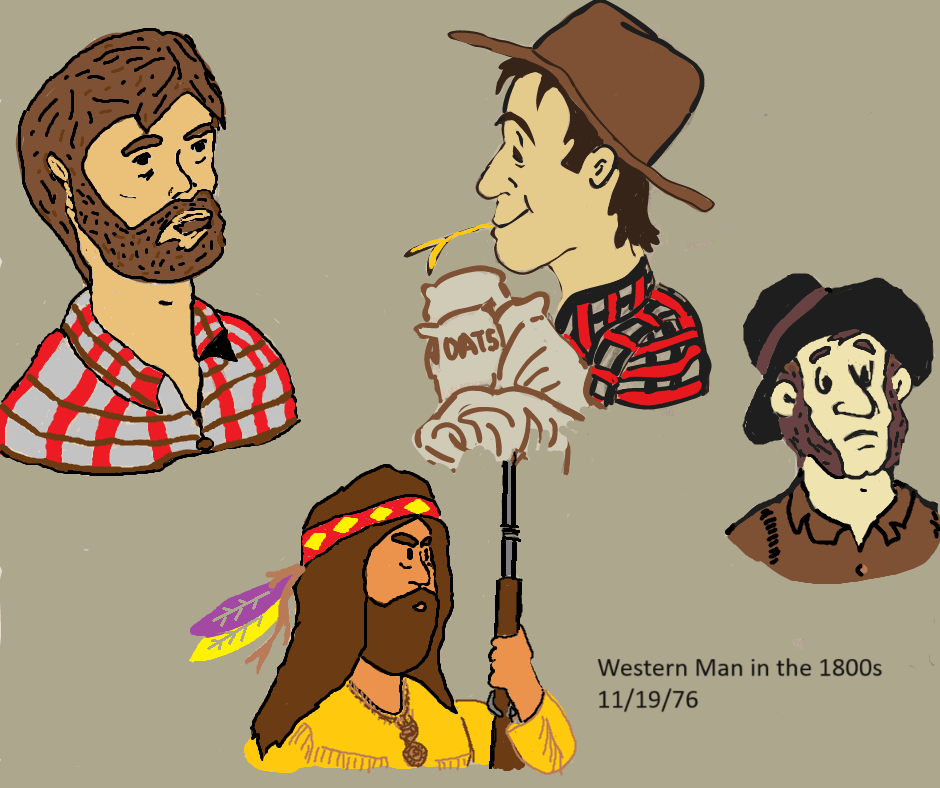
A Story of the National Road in Ohio
NOTE: This week starts a short book that will be released a chapter each week.
Ground was broken for the National Road in Ohio on July 4, 1825. The road reached Zanesville in 1830, Columbus in 1833 and Springfield in 1838. Traffic included wagons, coaches, carriages, horseback riders and livestock droves. In 1831, tollgates were erected at 20-mile intervals in Ohio. Jacksontown, founded in 1829 and named after President Andrew Jackson, was located a few miles east of the pike town of Hebron.
CHAPTER ONE: Death on the Pike
The man on horseback had heard two shots and spied a dust cloud just past a hill to the east. It sparked his memory that he had heard the westbound stage was late getting to Jacksontown, or Jacktown, the town he had just left just 15 minutes ago. A cloud of dust wasn’t unusual, but the combination of gunshots and a dust cloud was, and it caused the hair on the back of his neck to stand up. His instincts told him to find out what was happening.
Now he rode cautiously along the rock-paved road toward the dust cloud, unsheathed his Kentucky rifle and made sure that both it and the two pistols he carried were loaded with ammunition and primed with gunpowder. He also carried a sizable, sheathed hunting knife strapped to his leather belt. When he came just below the hill’s crest, he stopped, got off his horse, led it aside the road near some trees and crouched down. He viewed four riderless horses standing near a stagecoach, which was stopped a little way down the road.
Two men with pistols drawn faced about a half-dozen passengers, who were standing on the road next to the coach. Two other figures were evidently gathering valuables from the passengers. The coach’s driver and his shotgun rider both lay motionless on the gravel of the road nearby in the noonday sun. The violent scuffle that led to this had obviously caused the dust cloud.
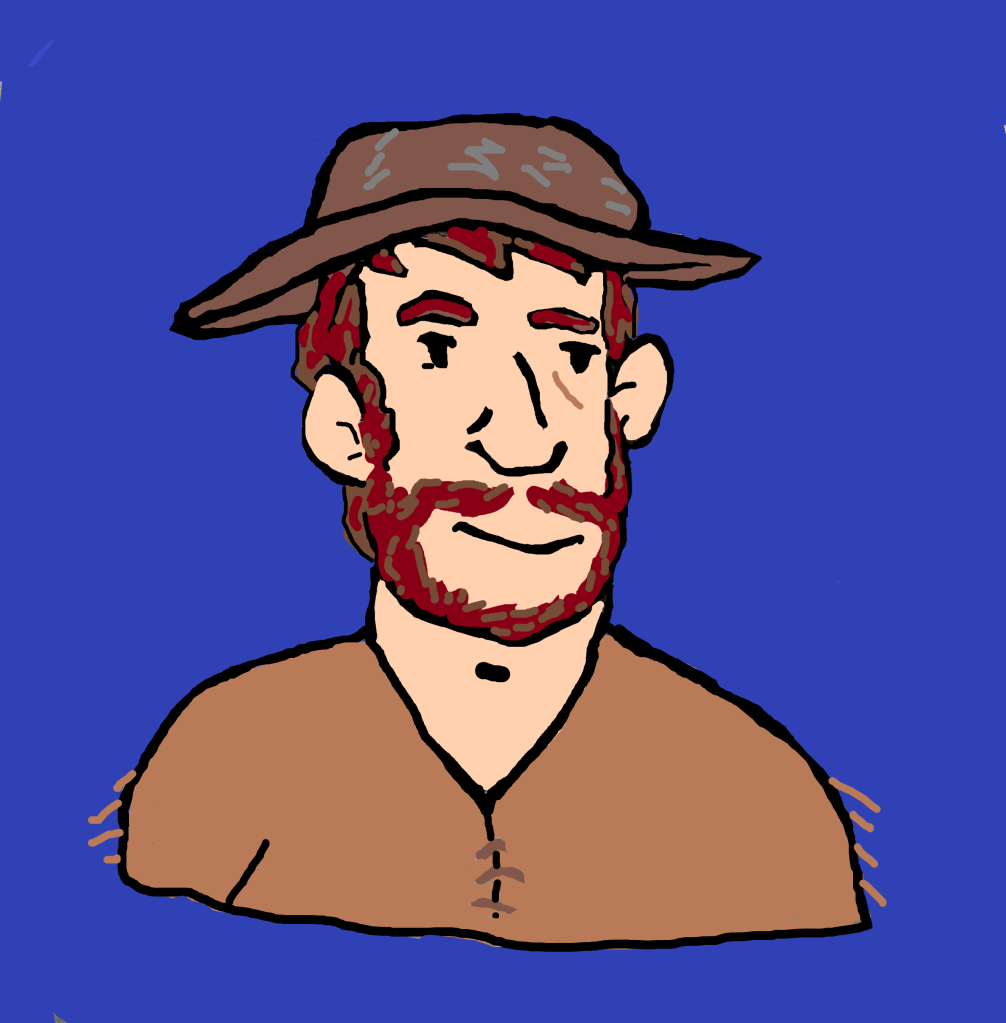
The man peered at the scene from under a dirty, salt-encrusted hat and weighed his options. Two men were already dead, so these were not ordinary stagecoach robbers. They were true, hardened professional criminals.
He knew that from this distance with his rifle, he could knock off one of them quickly and easily, but four was next to impossible. Then a shootout would ensue, probably with innocent people getting killed in the crossfire. Or he could ride in. They would try to disarm him or perhaps even shoot him on sight, but he could take his chances with his three bullets and one knife against four men. Or he could decide not to get involved and ride away.
He sighed. He decided on his course and returned to his horse. He got on and rode in, slowly, his cocked and primed rifle cradled across the pommel of his saddle, with one hand draped over the trigger mechanism. He saw the eyes of everyone upon him as he rode up. He figured that a white man dressed in fringed buckskins and moccasins carrying a long rifle would arouse some attention, at that.
“Now, what do we have here?” he said to no one in particular, grinning to everyone. He noticed that the robbers drew themselves together as he rode up. So much the better, he thought. As he rode closer, he saw that the passengers consisted of five people standing next to the coach, heads bowed.
“You better come off that horse nice and slow, stranger, and drop those guns,” said one of the robbers. “You don’t, and there’s going to be one more dead body layin’ on the ground.”
“I believe I will,” the horseman said, still displaying a disarming smile. He positioned his horse between himself and the group and began to dismount, sliding his rifle down with him as he did so. As his feet hit the ground, he raised and fired the long rifle across his horse’s back at the robber who had just spoken. The man spun around and landed in a cloud of dust.
He dropped the rifle, went to one knee, drew one of his pistols with his right hand and shot a second bandit in the gut. Then he quickly pulled out his second pistol and fired, wounding the third man in the shoulder as the man flung off a wild shot. The fourth robber had already turned and run for his horse. The horseman quickly reloaded one of his pistols, but not in time to fire. The man was off the road and past a wooded hillside on horseback and gone from sight.
He walked up to the first man he had shot. He was dead of a head wound. The life of the second man was bleeding out quickly, and he stooped to the man briefly, then walked past him. The third robber was growling as he was being kicked and punched by two of the stagecoach passengers, as they and others scrambled to retrieve their belongings.
“Leave him be,” the horseman said gruffly.
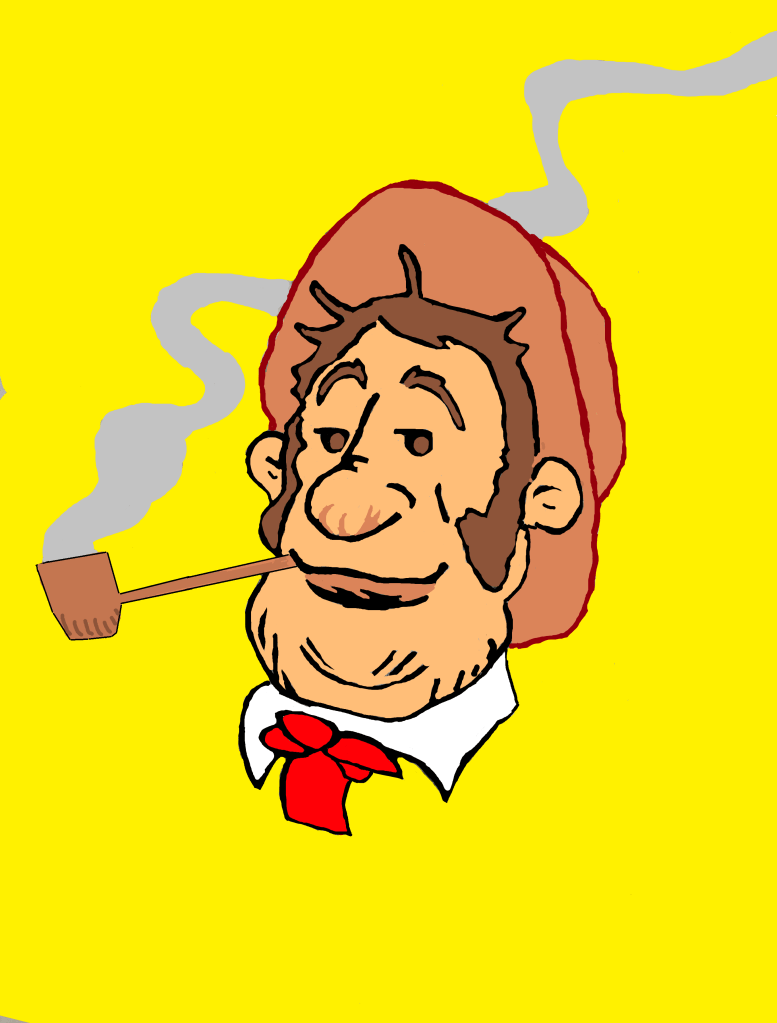
“Mister, we’re mighty indebted to you for saving our lives,” said one of the passengers, a middle-aged man in a dusty suit who smoked a long corncob pipe. “That was a nasty bunch of outlaws there. They said they were going to kill all of us, and I don’t doubt that they would have if you hadn’t shown up.”
He ignored the man. He addressed the wounded robber, who glowered at him. “What’s your name?”
The man, who had a pockmarked face, scraggly beard and bloodshot eyes, spat at him.
“Guess you’re not in a mood to talk right now,” he said. ”We’ll leave you afoot. We’ll be sure to tell the sheriff to keep an eye out for you.”
He and several of the other passengers gathered up the three loose horses and tethered them to the back of the coach. The bodies of the four dead men were placed over the three horses. He instructed two of the more capable-looking passengers on the workings of the coach and horse team.
“The town’s not far away,” he said. “Just take it slow and you’ll be fine. I’ll ride along behind you.”
One of the passengers asked him hesitatingly why he left the wounded man. “I have my hands full with all of you,” the man said. “He’s like a wounded panther. I don’t need to add him to my list of troubles right now. He may expire anyway, you never know.”
Another passenger, who was standing next to the coach, also addressed him. He turned to look and was surprised to see that it was a woman, dressed in plain working clothes rather than a dress.
“I know we thanked you already, but I’d like to say how much we all appreciate what you’ve done – there’s not many who could have done what you did,” she said. “What is your name, sir?”
He turned to face her directly. He found the view pleasant but surprising, since she was dressed in a worker’s shirt, woolen jacket and trousers rather than a fancy dress. Nonetheless, he tipped his crusty hat.
“You’re welcome, ma’am. My name’s Tritt.”
NEXT: Debts Must Be Paid
Ken Drenten is creator and editor of Dusty-Tires.com, a travel blog for out-of-the-ordinary places in Ohio.
Subscribe to Dusty Tires and receive a weekly email with the latest blog article. It’s free!
All rights reserved, Dusty Tires (dusty-tires.com), 2025.
 Dusty Tires
Leave a comment